


August 12, 2026
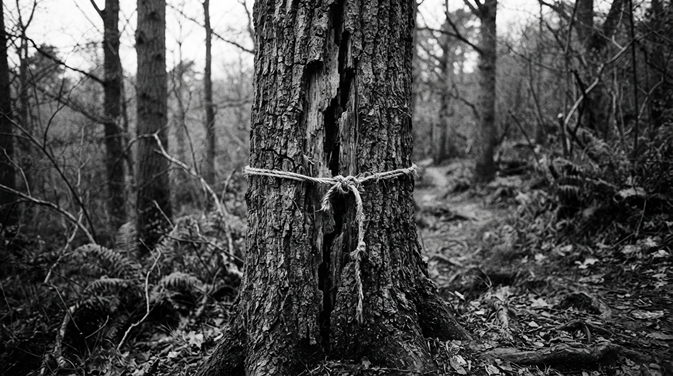
You didn't see it coming. Or maybe you did, a little, but you didn't want to look at it too closely. Then your partner said the words that changed everything: "You hurt me." Maybe there was a betrayal involved. Maybe it was something quieter, a pattern of distance, dismissiveness, or broken trust that finally had a name. Either way, something in your chest tightened, and you've been carrying it since.
This moment has a name in psychology: rupture. It's one of the most painful and, honestly, one of the most human things that can happen between two people who love each other. So let's talk about what's actually going on when this happens, why it feels so destabilizing, and what real repair looks like, whether you're the one who caused the hurt or the one carrying it.
Therapists borrow the term "rupture" from attachment research, where it describes any break in emotional connection between two people. Ruptures happen in every relationship, even healthy ones. Psychologist Ed Tronick, known for his "still face" experiments with parents and infants, found that even securely attached pairs are only in sync about 30 percent of the time. The rest is a constant cycle of small disconnections and reconnections.
That statistic tends to surprise people. You might assume a good relationship means near-constant harmony. It doesn't. What separates a healthy relationship from a struggling one isn't the absence of rupture; it's whether repair happens afterward and whether that repair feels genuine to the person who got hurt.
Here's the problem: hearing "you hurt me" from someone you love doesn't just sting; it can feel like an attack on who you believe yourself to be. Your brain doesn't file this under simple feedback. It files it under threat because the person delivering the message is someone your nervous system relies on for safety.
So the hurt gets bigger. You might get defensive, minimize what happened, or spiral into shame so intense that you can't actually hear what your partner needs from you. And on the other side, if you're the one who was hurt, that pain can compound fast, especially if there's a history of betrayal, deception, or emotional neglect layered underneath it.
This is where things get agitated. Betrayal, in particular, doesn't behave like a normal disagreement. Research grounded in Jennifer Freyd's betrayal trauma theory shows that when the harm comes from someone we depend on, our minds sometimes have to partially block out what happened just to stay functional and attached to that person. That's not weakness. That's your nervous system trying to protect the relationship, even at your own expense.
Clinical research backs up how serious this can get. Studies on infidelity and relational betrayal have found that a significant portion of betrayed partners; estimates run as high as 30 to 60 percent in some samples, show PTSD-like symptoms after discovering a betrayal: intrusive thoughts, hypervigilance, trouble sleeping, and a racing heart every time a phone buzzes. This isn't melodrama. It's a trauma response, and it deserves to be treated like one.
If you're the one who caused the rupture, there's a distinction worth sitting with: guilt says "I did something bad." Shame says, "I am something bad." Guilt can motivate repair. Shame usually just makes you defensive or checked out, which is the opposite of what your partner needs from you right now.
You don't need to punish yourself into being a better partner. You need to get curious about what happened, take real ownership without over-explaining your way out of it, and show up consistently afterward. That consistency, more than any single apology, is what rebuilds trust over time.
Trauma isn't only a thought pattern; it lives in the body too. People navigating betrayal trauma often describe a tight chest, a stomach that won't settle, trouble concentrating at work, or a jumpiness that seems to come out of nowhere. This is one reason a purely talk-based approach doesn't always get to the root of things. Somatic and creative arts-based therapy, which pairs traditional talk therapy with body awareness and expressive work, gives people a way to process what words alone sometimes can't reach.
If you're searching for a trauma therapist in NYC because a rupture in your relationship has knocked you off balance, you're not overreacting, and you're not alone. New York City has one of the highest concentrations of licensed therapists in the country, and that means you have real options, but it also means finding the right fit takes some intention.
Look for a trauma therapist NYC who has specific training in attachment and betrayal trauma, not just general couples counseling. The mechanisms are different. Someone trained in Gestalt therapy, somatic work, or creative arts therapy will often help you access what's happening underneath the surface story, the parts of the hurt that are harder to put into words.
At CAP therapy, this is the work we do every day. We combine mindfulness-based talk therapy with somatic and creative arts approaches to help people process relational trauma, whether that means healing after betrayal, repairing a rupture with a partner, or understanding a pattern that keeps showing up across relationships. Our team works with individuals and couples navigating exactly this kind of pain, and we do it with both clinical grounding and genuine warmth.
Repair isn't a single conversation where everything gets fixed. It's a process, usually a slow one, built on a few consistent moves:
Couples who work with a therapist after a major rupture tend to fare significantly better than those who try to repair alone. Data from the American Association for Marriage and Family Therapy has found that a large majority of couples in therapy report meaningful improvement in relationship satisfaction and that emotionally focused approaches in particular show strong, durable results. Professional support doesn't guarantee an outcome, but it dramatically improves the odds of getting somewhere real instead of just circling the same fight.
Is it normal to still feel triggered months after a betrayal?
Yes. Trauma responses don't follow a neat timeline. It's common for reminders, a certain time of day, a phrase, or a location to bring the fear or anger right back, even when things on the surface seem calmer.
Can a relationship actually get stronger after a rupture?
It can. Some couples describe their relationship as more honest and more resilient after going through real repair, though that only tends to happen when both people are willing to stay engaged in the hard parts of the process.
What's the difference between couples therapy and individual trauma therapy after a betrayal?
Couples therapy focuses on the relationship system, how you two communicate and rebuild trust together. Individual work with a trauma therapist in NYC focuses on your own nervous system and history. Many people benefit from both at once.
How long does it usually take to rebuild trust?
There's no fixed timeline, and anyone who promises one is oversimplifying. Most therapists describe it in phases, months rather than weeks, with trust rebuilding gradually as consistent, safe behavior accumulates over time.
Hearing that you've hurt someone you love is one of the harder moments a relationship can hand you, and being the one who's hurting is its own kind of hard. Neither position is comfortable, but both are workable. Rupture isn't proof that something is broken beyond repair. It's often the moment where real change becomes possible if you're willing to stay in it.
You don't have to figure this out alone. If you're looking for a trauma therapist in NYC who understands both the emotional and the somatic side of betrayal and relational rupture, reach out to CAP therapy to schedule a consultation. We'll match you with a clinician who fits what you're going through, and we typically respond within one business day.