
About CAP Therapy
CAP is a small group psychotherapy practice in Chelsea. We know the kind of change that lasts doesn't come from being "fixed"; it comes from understanding what's really going on and doing the deeper work to shift it, through the body and creative process, not talk alone. You can see us in person and online across NY, NJ & CT.

If this sounds familiar
Understanding a pattern and actually shifting it are two different things — and most of us have done more of the first than the second. That gap is where our approach starts.




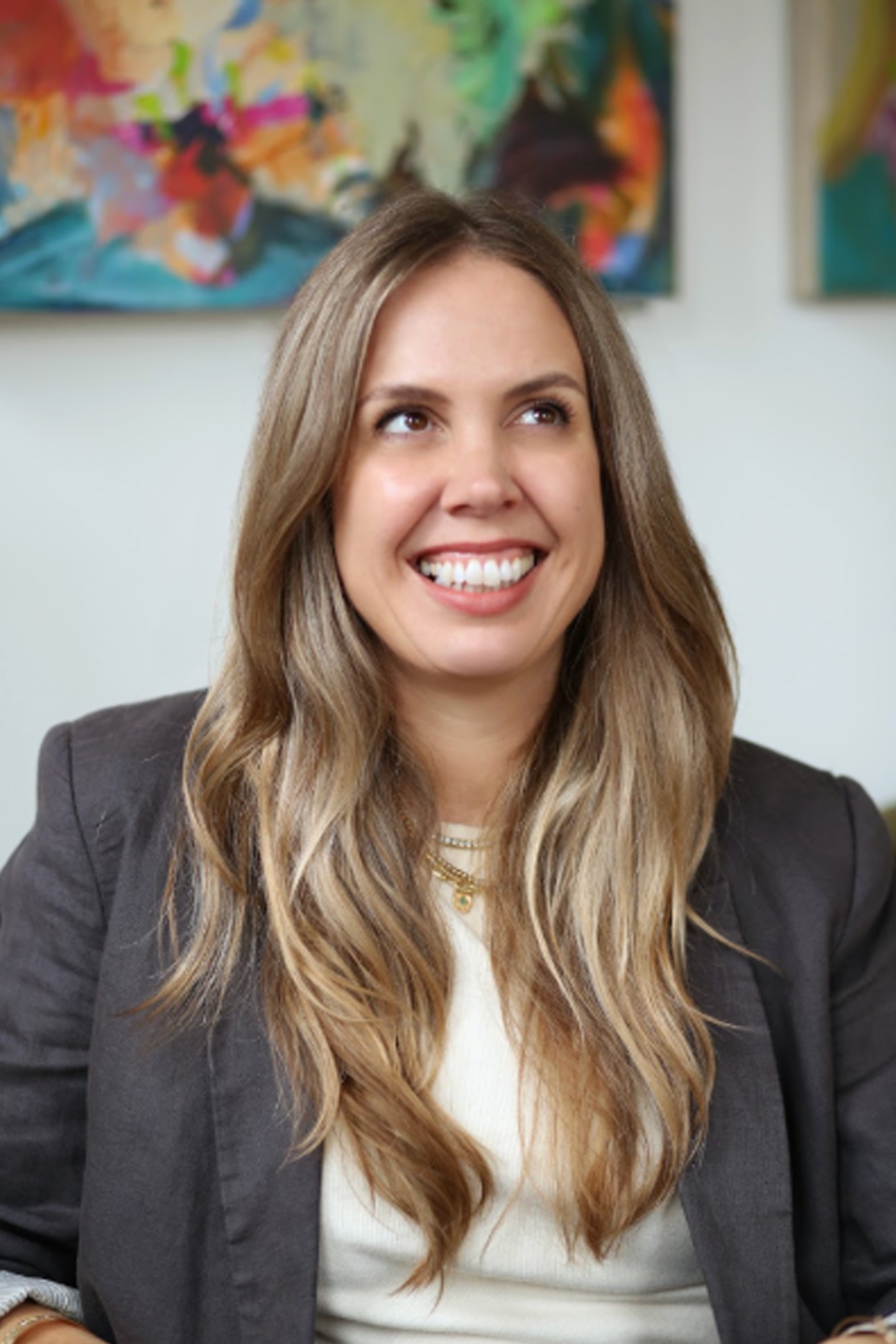
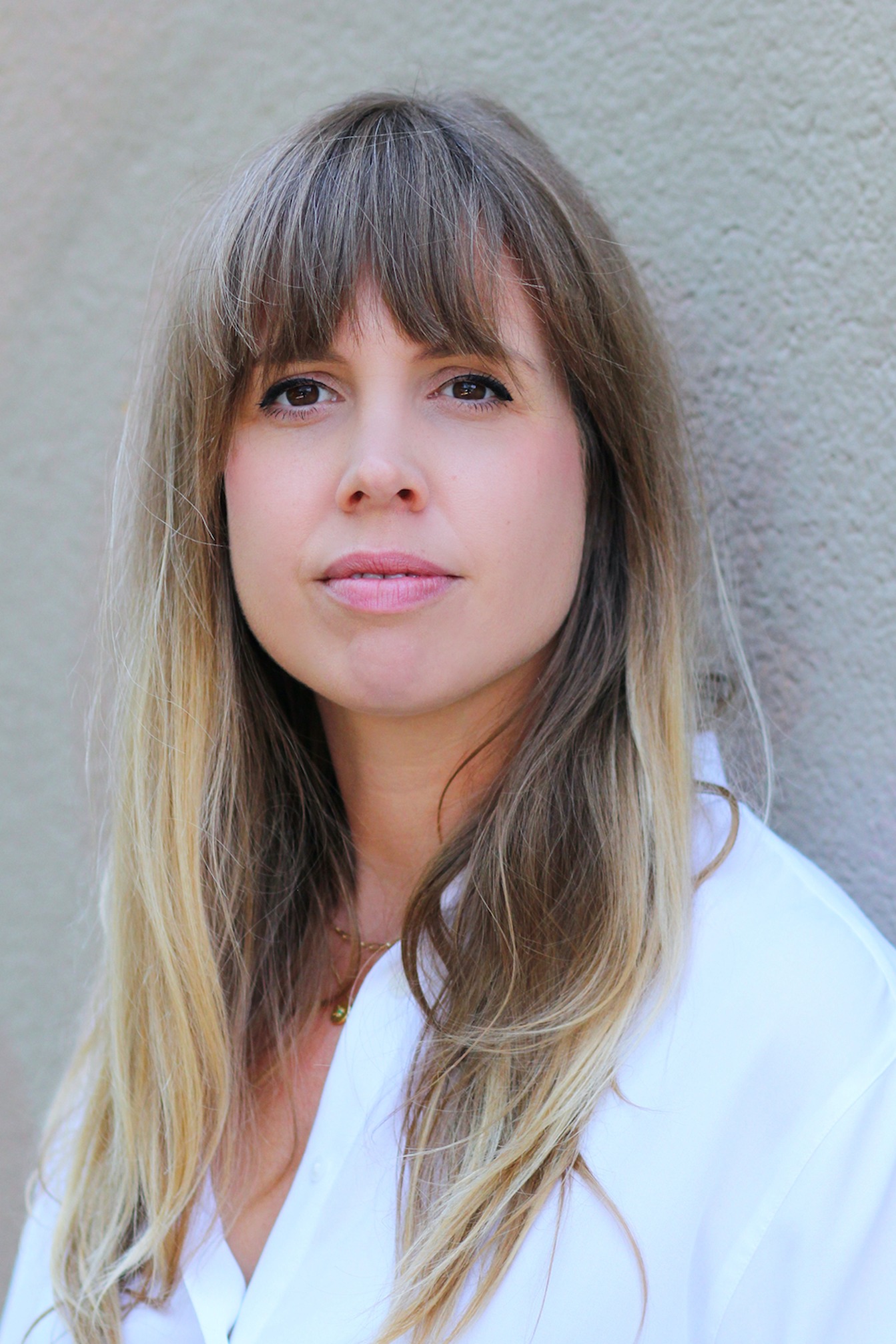
Jennifer Byxbee
ATR-BC · LCAT · CGT · SEP · Founder
Twenty-plus years, across hospitals, community mental health, schools, and now private practice, with different populations, all carrying different weight. That's where I learned the difference between therapy that helps and therapy that actually changes something.
In fourteen years of private practice, I've sat with people carrying complex trauma, anxiety, OCD, depression, and grief that talk alone couldn't reach. I've seen what working experientially makes possible, and how it changes what people believe they're capable of. Real change is possible. It just isn't passive.
I built CAP around the things that have mattered most in my own work: rigorous training, honest relationships, and room to be human. I choose every clinician here myself, and slowly. Between us we work across art therapy, Somatic Experiencing, Gestalt, psychoanalytic and psychodynamic approaches, inference-based CBT for OCD, parts work, and dreamwork, which means we can actually match you to someone who we feel is the best fit rather than to whoever has an opening. We stay in supervision and consultation together because that's what keeps the work good
I built the practice I wish had existed when I started, with the people I wish I'd had around me.
How we help
Talk therapy reaches the thinking mind. But a lot of what keeps us stuck lives below thought — in images, in sensation, in the nervous system's memory of what happened. So we work with all of it — so your body and mind can finally metabolize what they couldn't at the time.

We name what's happening, and why. Insight is important, but insight alone doesn't create change.

Trauma often lives in the body as a survival response that never finished — held tension, activation, shutdown. We work with that directly, gently and in small doses, so your nervous system can settle instead of staying braced.

Image, metaphor, and making something by hand can surface what you don't yet have words for and give it a form you can work with directly.
Why it works
Every licensed therapist meets the same baseline — grad school, supervised hours, the continuing education required to stay licensed. For most, that's where the learning levels off. We keep going. Our clinicians study across modalities long past what's required, and keep doing their own work too, because the people who help others heal have to. Clinicians still earning full licensure are held to the same standard, under close weekly supervision.

Deep specialization across modalities — from board-certified art therapy (ATR-BC, LCAT) to certified Gestalt (CGT) and Somatic Experiencing (SEP), well beyond a single license.

Between us, we work in art therapy, somatic, Gestalt, and psychodynamic approaches, along with parts work and dreamwork, so we can match the approach to you.

Weekly clinical supervision for every clinician — A great therapist never stops learning and never stops challenging their beliefs and biases to help each individual client where they are.

CAP was built as a trauma-informed practice from the start. Every clinician is trained to work with it, including how it lives in the body.
Meet the team
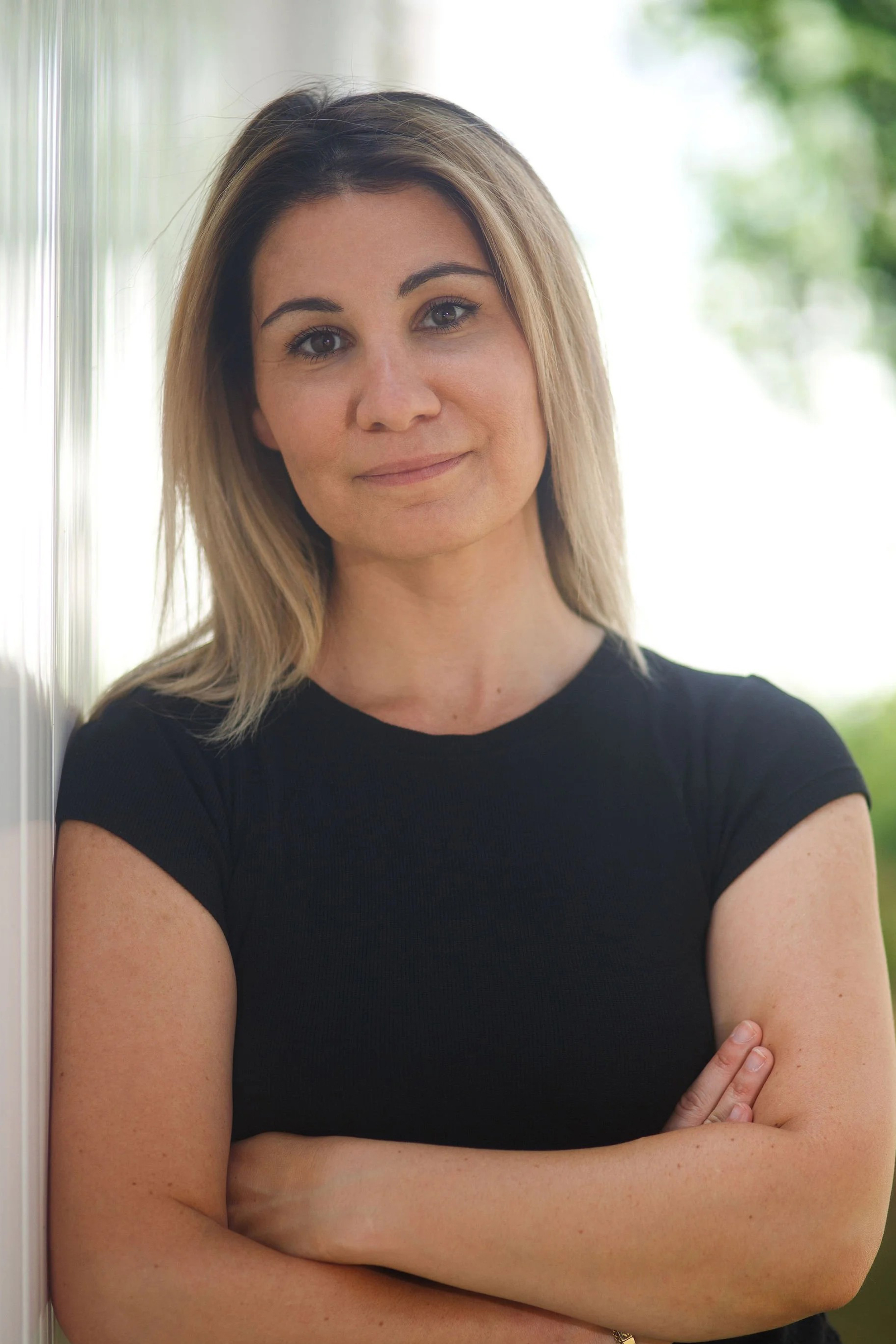
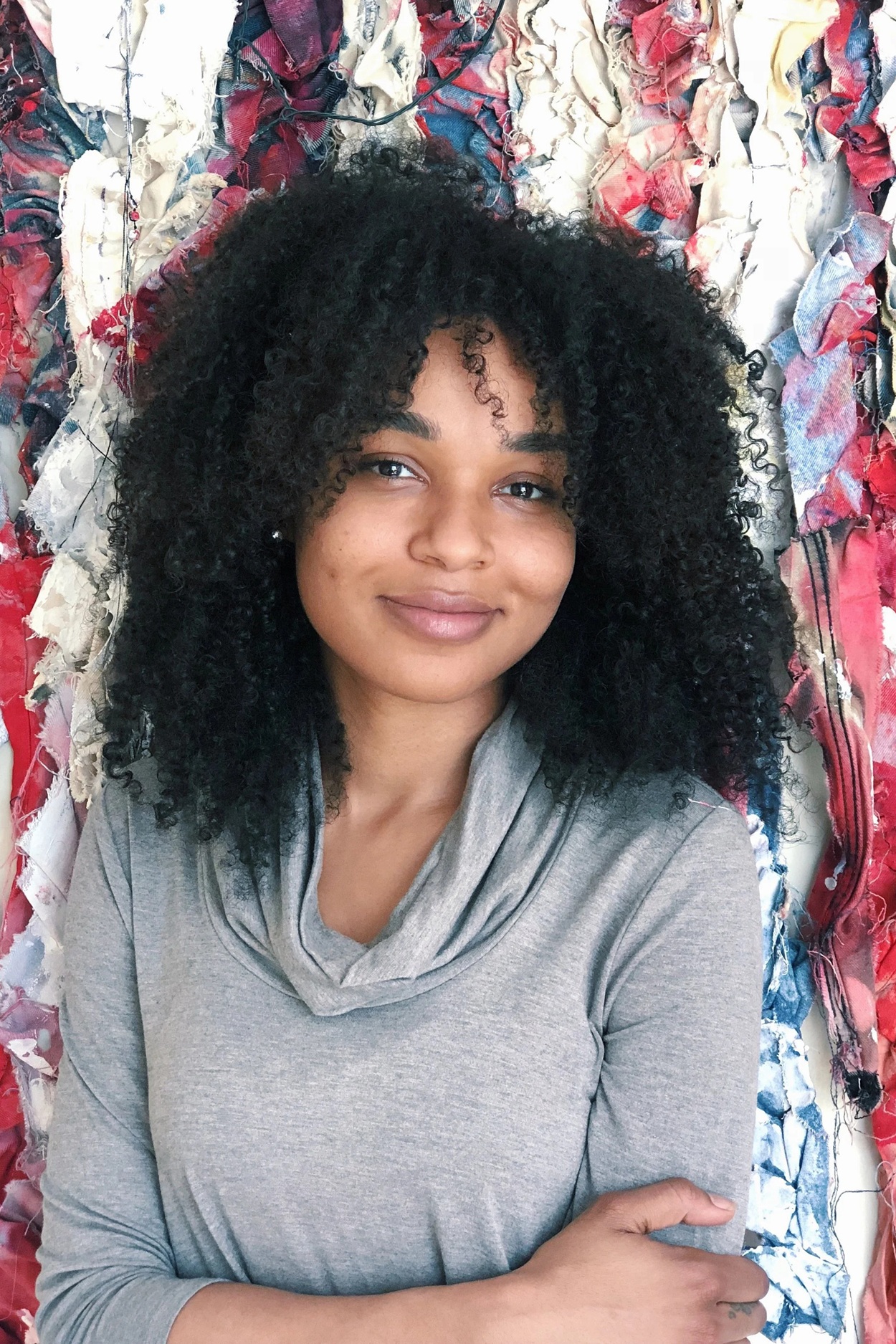
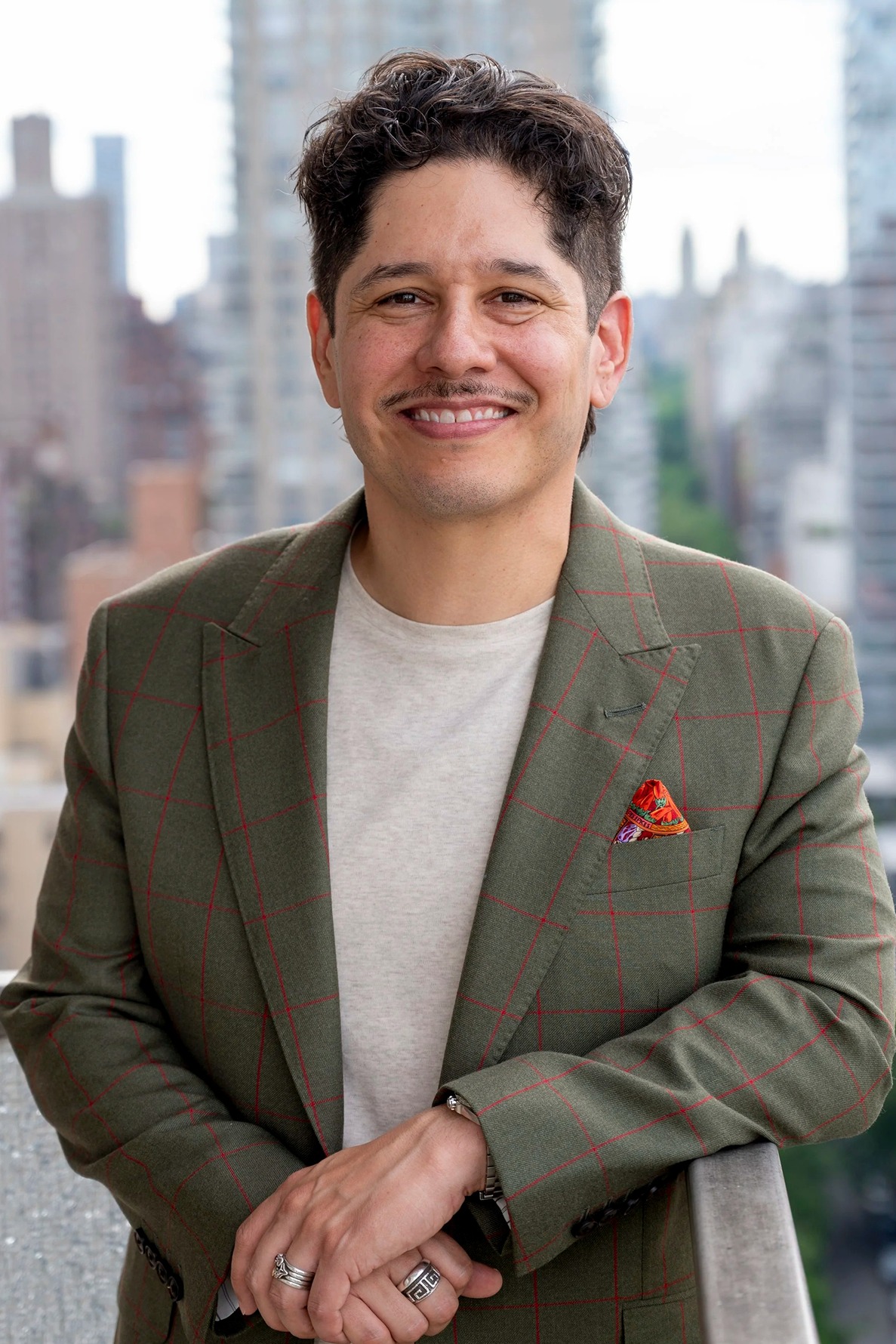
A small team, matched with care. Every clinician here keeps growing under senior guidance, so the skill behind your care keeps sharpening.