
The racing thoughts. The tight chest at 3 a.m. The sense that something is wrong even when everything looks fine. You may have learned to function around it, but functioning is not the same as feeling okay.
At CAP, we help you understand what anxiety is protecting you from and change how you respond to it, through talk, creative work, and attention to what is happening in your body.

Does this sound like you?
Sometimes it's loud. More often, it is a low hum underneath everything:

A mind that won't stop planning, replaying, or bracing for what's next

Trouble falling asleep, or waking at 3 a.m. with your heart going

Over-preparing, over-checking, over-functioning, so no one sees the strain

A tight chest, a knot in your stomach, shoulders up by your ears

Becoming irritable with people you love, then feel guilty about it.

Knowing, logically, that you're "fine" but still feeling like you're under threat
Understanding anxiety
Anxiety takes something that might happen and asks you to respond as though it is happening now. Your mind searches for certainty. Your body prepares for danger. The checking, planning, reassurance seeking, or avoidance may offer a little relief, but the relief rarely lasts.


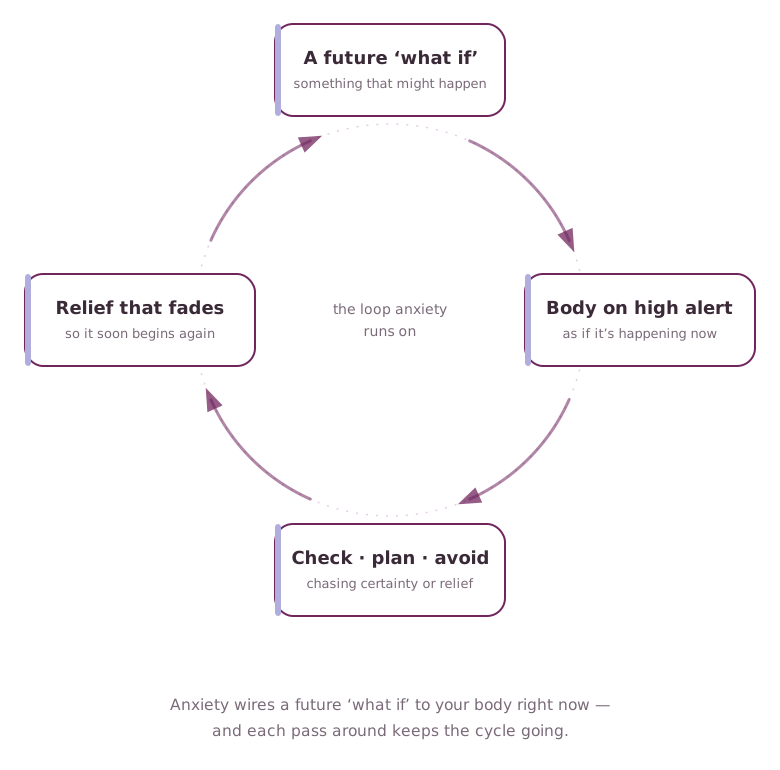
This is why simply telling yourself to calm down often does not work. Anxiety is not only a thought process. By the time you notice the racing thoughts, your body may already be mobilizing for a threat.
Therapy helps you slow that sequence down. You begin to recognize what activates it, what keeps it going, and where you have more choice than it currently feels like you do.
Why this is different
Most people who come to us have already tried this — reasoning with the anxiety, reality-testing it, naming it out loud in talk therapy. That work matters, and it's often not enough, because anxiety doesn't start as a thought. It starts in the body.
That's why you can understand exactly where your anxiety comes from and still feel it take over in the moment. Insight and change aren't the same thing. Reaching what's happening underneath the thoughts takes more than thinking about it — which is exactly how we work.
It's not that you don't know why you're anxious. It's that knowing hasn't been enough to make it stop.
How we use it here
Sessions start with what's happening in your body right now — not just your history or your thought patterns. In practice, that means working on more than one level at once: we talk, to understand what the anxiety is protecting you from; we bring in creative and art-based work, to give shape to what's hard to put into words; and we work with the body, because a nervous system stuck on alert settles through experience, not explanation. Most of the time these work together, led by whatever helps you most. The aim isn't to make you perfectly calm — it's to help anxiety become less controlling.
Who this is for
Left alone, these patterns don't usually resolve on their own — they just get more familiar. Change works differently. It rarely announces itself; it shows up quietly, in the ordinary moments.
%20(4).png)
You're high-functioning on the outside and exhausted underneath
Anxiety is affecting your sleep, work, relationships, or ability to be present.
Your anxiety is tangled up with past stress, trauma, or big life change
You've done talk therapy and want something that reaches deeper
You're a creative, professional, student, or new parent, carrying more than you let on
A quick, honest note: If you're in immediate crisis or thinking about harming yourself, please use the resources at the bottom of this page first — that support is faster than a form.
Approaches may include: Gestalt therapy, somatic awareness and creative arts therapy.
What happens next
There's no long intake to dread and nothing you need to sort out beforehand. Getting started is three simple steps:
Tell us what's going on — no pressure, no commitment.
A real person replies within one business day and pairs you with the clinician who fits what you're facing.
Meet in Chelsea or online, and start work that reaches the anxiety talk alone leaves stuck.
FAQ
Still unsure? The free consult exists exactly for this — ask us anything, no commitment.
Do you take insurance?

How do I know if it's anxiety or just stress?
What types of therapy do you use to treat anxiety?
Do you offer anxiety therapy in person or online?
How long until I feel better?
Do you prescribe medication?